Handmade Paths Through the Analog Alps
Tactile Tools at Altitude
Paper That Breathes Thin Air
Cold air pulls moisture from fibers, so mid‑weight cotton rag around 120–160 gsm resists warping while still folding into a pocket. Cold‑press textures welcome graphite bite; smooth sheets favor fountain nib glide. Test swatches at dawn and dusk, because light transforms tooth.
Graphite, Ink, and Weatherproof Lines
Harder graphite like H or 2H holds edges in humid valleys, while a soft 2B sketches shadows without tearing damp cellulose. Fountain inks can freeze; pigment liners shrug snowfall. Wax pencils mark wet stone. Keep caps warm in an inside pocket, not clipped outside.
Rituals for Steady Hands
Before lines matter, warmth matters. Breathe through four counts, sip something hot, and fill a page with slow hatches to locate rhythm. Fingerless wool helps dexterity; a pocket sharpener tames brittle leads. Pack redundancy, because tiny failures arrive sooner than weather forecasts.
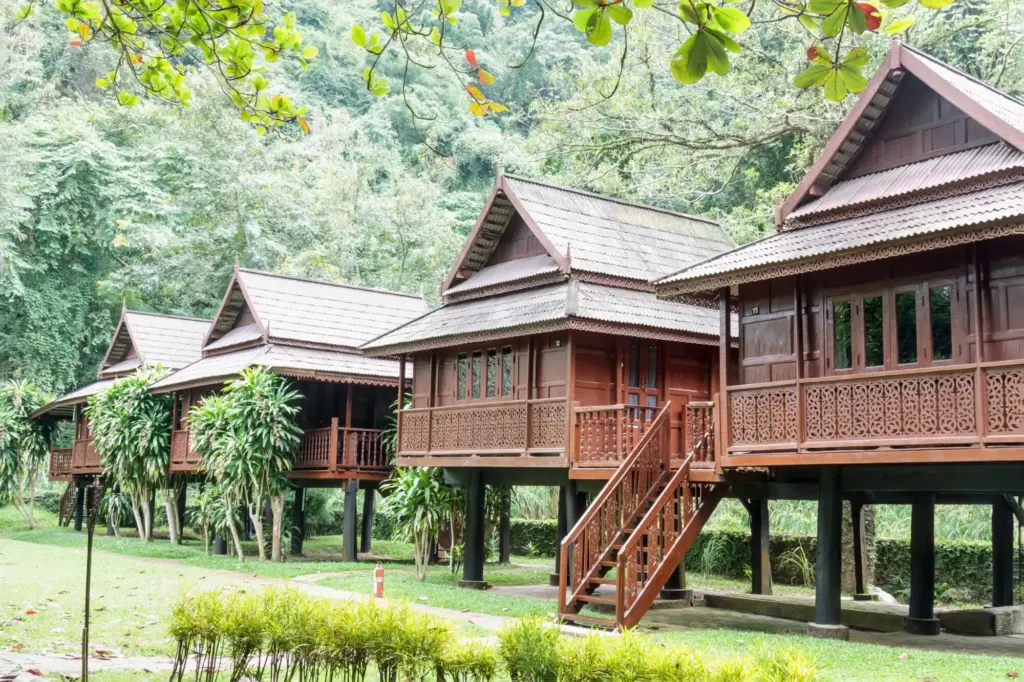
Village Workshops and Quiet Masters
Design Lessons from Rock, Snow, and Light
Compositions Borrowed from Ridgelines
Stand sideways to a ridge and notice how fore, mid, and background negotiate eye travel. Sketch those intervals as modular blocks, then test crops that remove comfort. A cairn near the edge becomes a focal anchor; a glacier’s curve dictates the gentle slope of whitespace.
Palettes Mixed from Lichen and Dusk
Carry three primaries and a friendly neutral, then sample lichens with a dry brush to quiet saturation. Twilight asks for discipline; mix violet shadows with barely-there warmth. Label swatches by place names, so memory returns instantly when a future project seeks honest mountain colors.
Typography Inspired by Cairns
Pile letterforms like stones, respecting weight, counterspace, and balance. A too-heavy serif topples like an impatient stack in wind. Test ascenders against skyline silhouettes and let tracking widen where breath feels thin. The resulting voice is sturdy, directional, and calm when storms approach.
Slow Navigation, Honest Records
Self-Made Gear for Moving Studios
Sharing the Path: Community, Teaching, Return
Host a Table, Trade a Skill